Virtual Reality (VR) is a fast-growing technology that is already being used by universities around the world. The Academic Technology staff has been investigating VR hardware and software and has been gathering some tools that can be borrowed by Endicott Staff. These tools can be tried out in the XR Lab (LSB Annex 403).
To reserve a time to try the gear or to bring in a class for a visit email Hedrick Ellis at hellis@endicott.edu.
VR & XR Technologies at Endicott
Click on the below cases to explore how VR and XR technologies are being used at Endicott College.
Interior Architecture
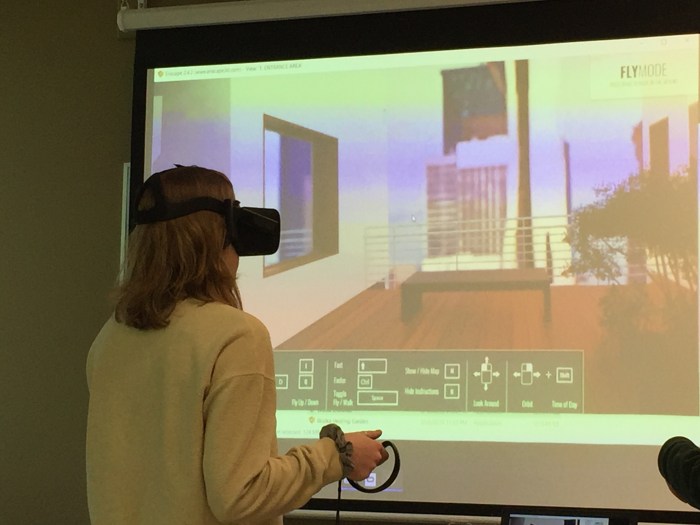
In Interior Architecture classes, students can now export their 2D designs from Revit software using a plug-in called Enscape to be viewed in the Oculus Rift VR headset. Students can then fully immerse themselves into their own designed spaces and get a more holistic view of their designs.
According to Director of Interior Architecture Programs, Myoung Joo Chun, “VR brings the students into their own designed spaces and allows them to pre-explore their user’s experience. They find out how their design dimensions feel. It places real emphasis on the clearance and heights in the drawings. VR helps to bring attention to their way-finding in their design much more than if they use just a floor plan.”
Biology
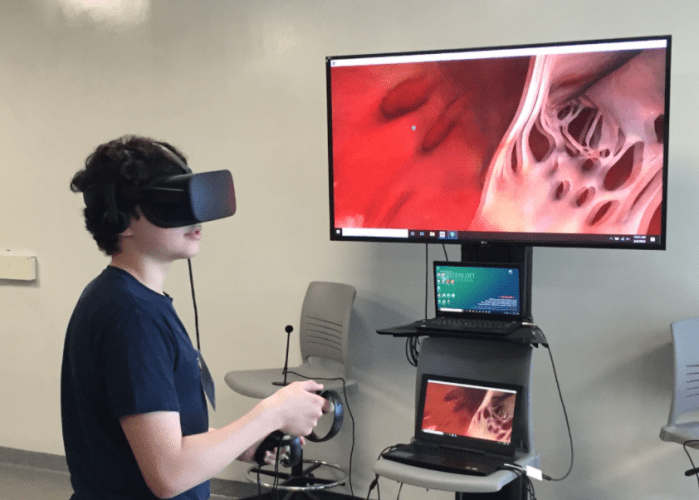
Professor Joyce Shaw brings students in her pathophysiology class to Endicott’s XR Lab (LSB 403) as part of their weekly lab work. Students use a VR experience called Sharecare VR which allows them to look inside organs and examine the effects and treatments of certain diseases including asthma and chronic obstructive lung disease, and the placement of a stent in a patient with coronary artery disease. Shaw reports that students have given her positive feedback on the VR lab sessions. Said one student, “I loved the VR lab work. It helped put what we were learning into a human body perspective. It was very helpful to see the topic we are learning in a much more up-close and hands-on way.” Said Shaw, “From a teaching perspective, those experiences engaged and motivated students in ways I have not seen before.”
Exercise Science & Athletic Training
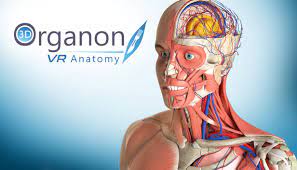
Professors Kevin Rooney and Kelsey Taylor recently purchased two Oculus Quest 2 headsets and a subscription to 3D Organon VR to help students better visualize the movements of bones and muscles in the human body. The app includes over 10,000 realistic anatomical models/structures with quality definitions per body structure and over 1,000 detailed micro anatomy structures.
Engineering
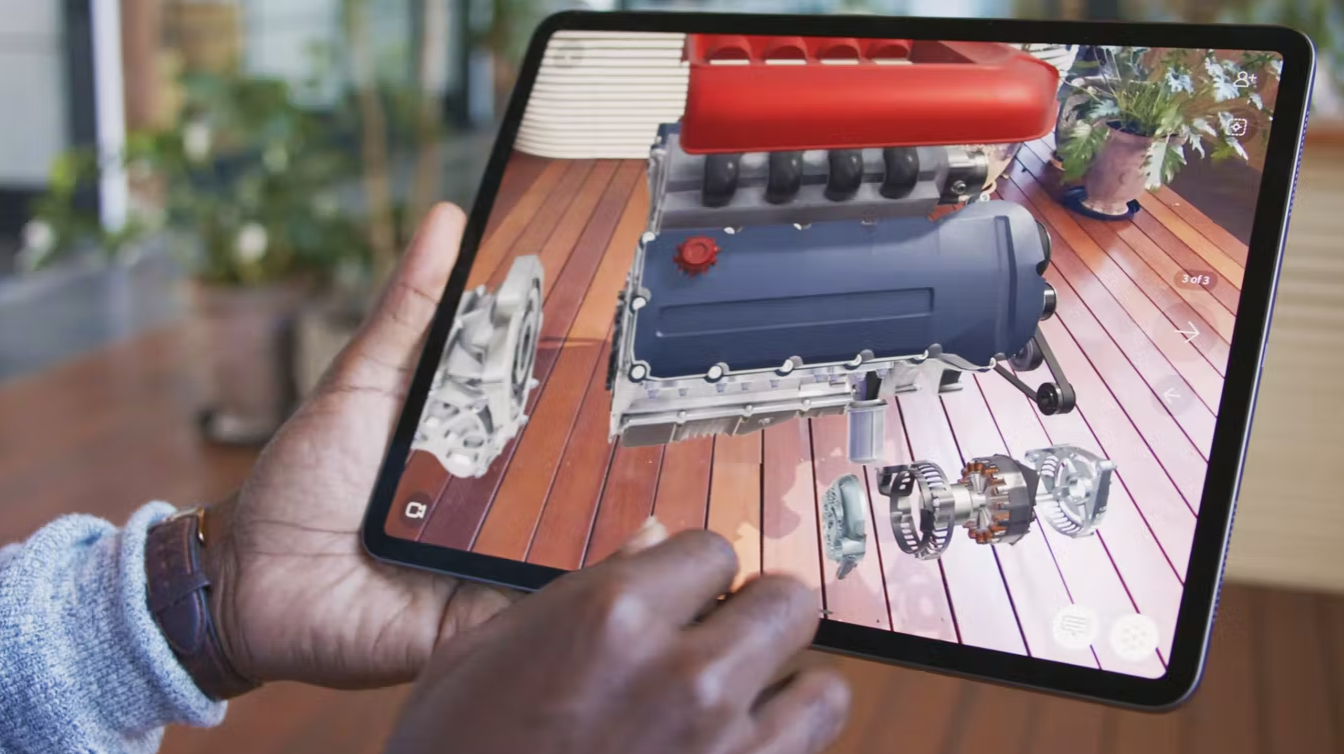
Professor Jessica Ventura has used an AR app called Jigspace to help students visualize mechanical processes like how a jet engine works. The software also lets students import CAD files that they can use to build 3D visualizations in which they can animate their designs, and even add special effects that simulate airflow and direction of movement.
Communications
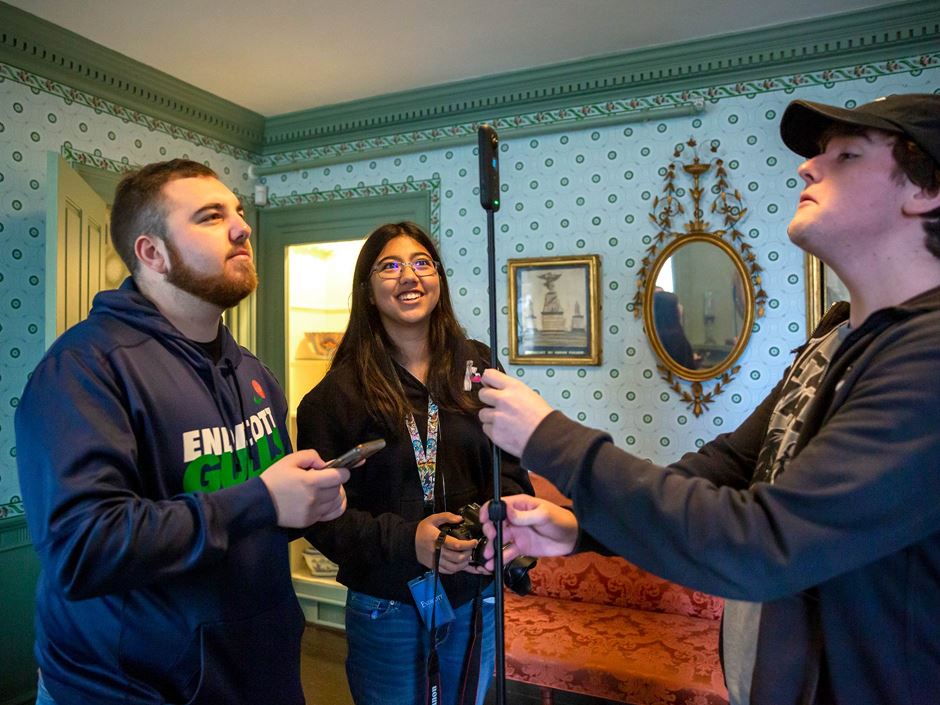
In addition to consuming educational content in VR, some Endicott students are creating their own original VR content. Communications Professor John Donovan launched a new course in 2019 called Next Generation Storytelling: Storytelling Using Virtual and Augmented Reality. In this course, students use 360-degree cameras to shoot still images and video and then use software tools such as Thinglink to create immersive 360 VR experiences. Says Jenna Brown ’21, a Digital Media major pursuing the TV/film concentration, “It’s amazing how new technologies are able to transport us into a new world from our own house or classroom. I truly believe that this course is incredibly beneficial in giving Endicott students a way to promote their brand to employers as someone who is knowledgeable in terms of future possibilities of content creation.”
Athletics
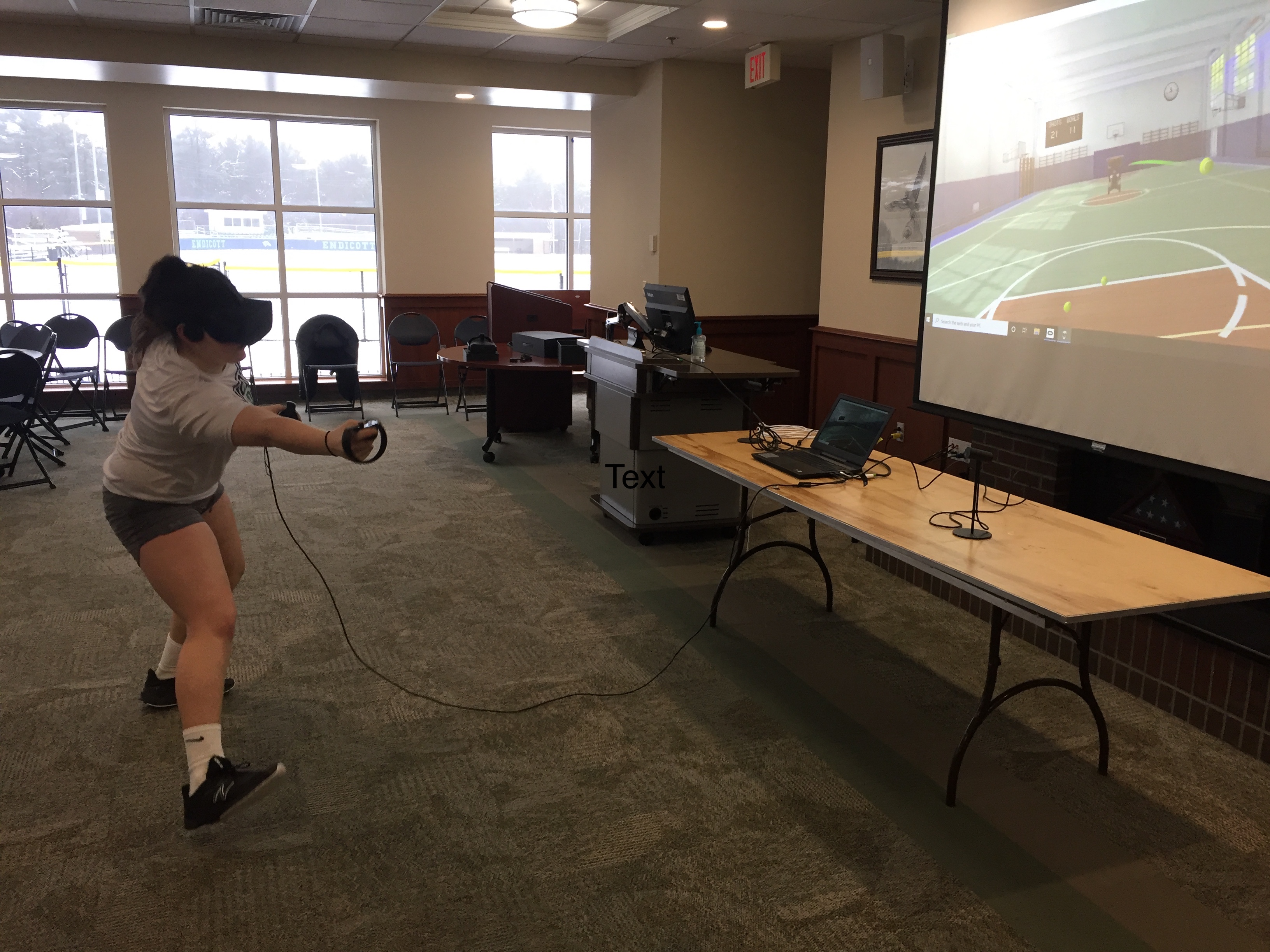
Women’s lacrosse coach, Maureen Spellman, uses VR in regular training sessions with her goalie. She says, “We started using VR to train our goalies as soon as the technology became available. We use the Oculus for hand speed, hand-eye coordination, and cognitive training. This is a fun and engaging way to train our most important muscle: the brain.”
VR Tools Available
Oculus Quest
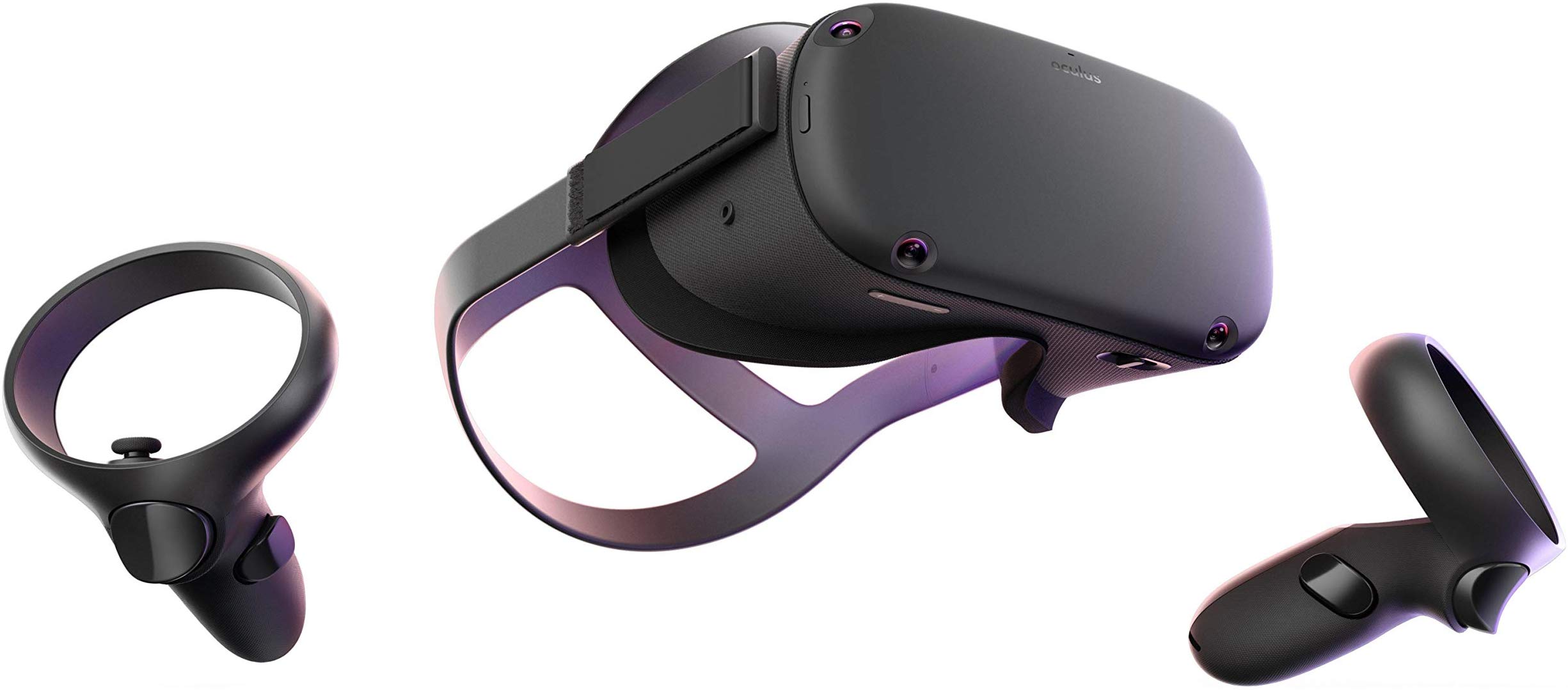
An all-in-one VR experience. No wires. No PC. It features two, six degrees of freedom (6DOF) controllers.
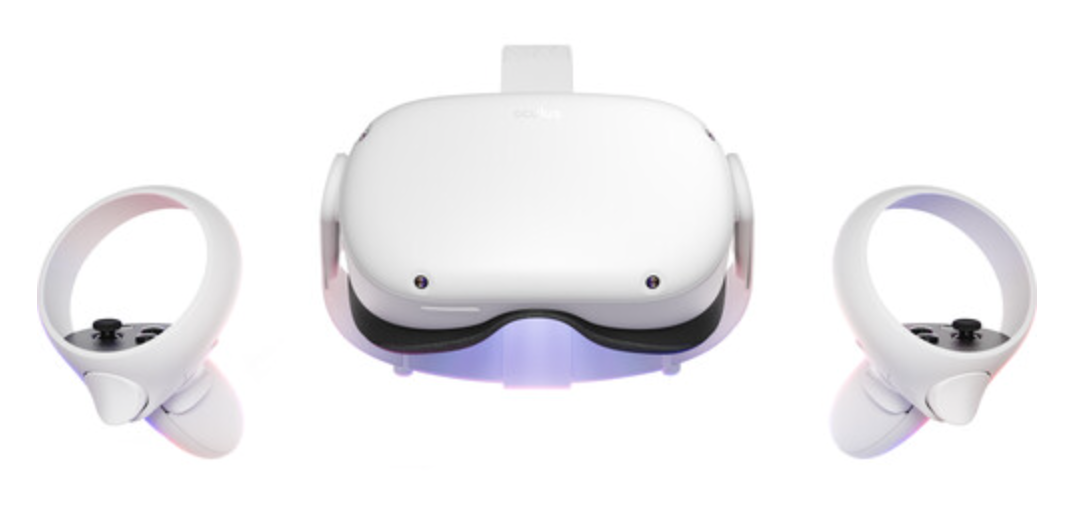
Oculus Quest 2
The Oculus Quest 2 is one of the most advanced all-in-one VR systems yet. The high resolution display features 50% more pixels than the original Quest. The redesigned Touch controllers feature improved ergonomics and intuitive controls that transport your gestures, motions and actions directly into VR.
Oculus Rift
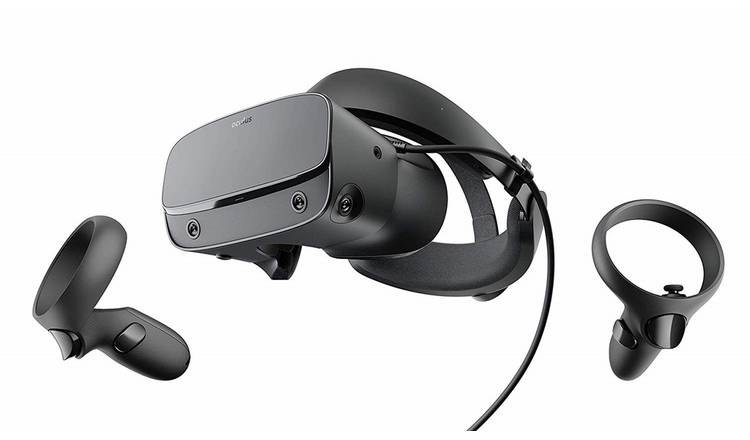
A fully immersive headset with built-in headphones and hand controllers. The Oculus Rift needs to be connected to a Windows computer to operate. Visit the XR Lab (LSB 403) to try it out. The Oculus marketplace offers a variety of free and paid VR experiences.
HTC Vive
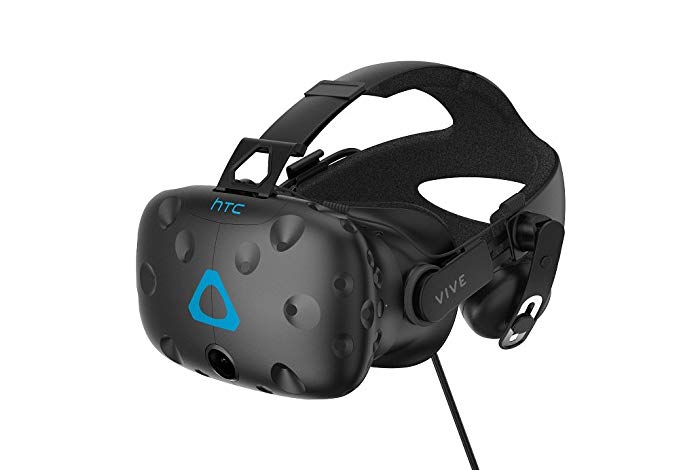
The main competitor to the Oculus Rift, the Vive provides room-scale VR with two base stations that can be mounted at head height with stands. The Vive needs to be connected to a PC. The Viveport online store offers a variety of free and paid VR experiences. Visit the XR Lab (LSB 403) to try it out.
Oculus Go
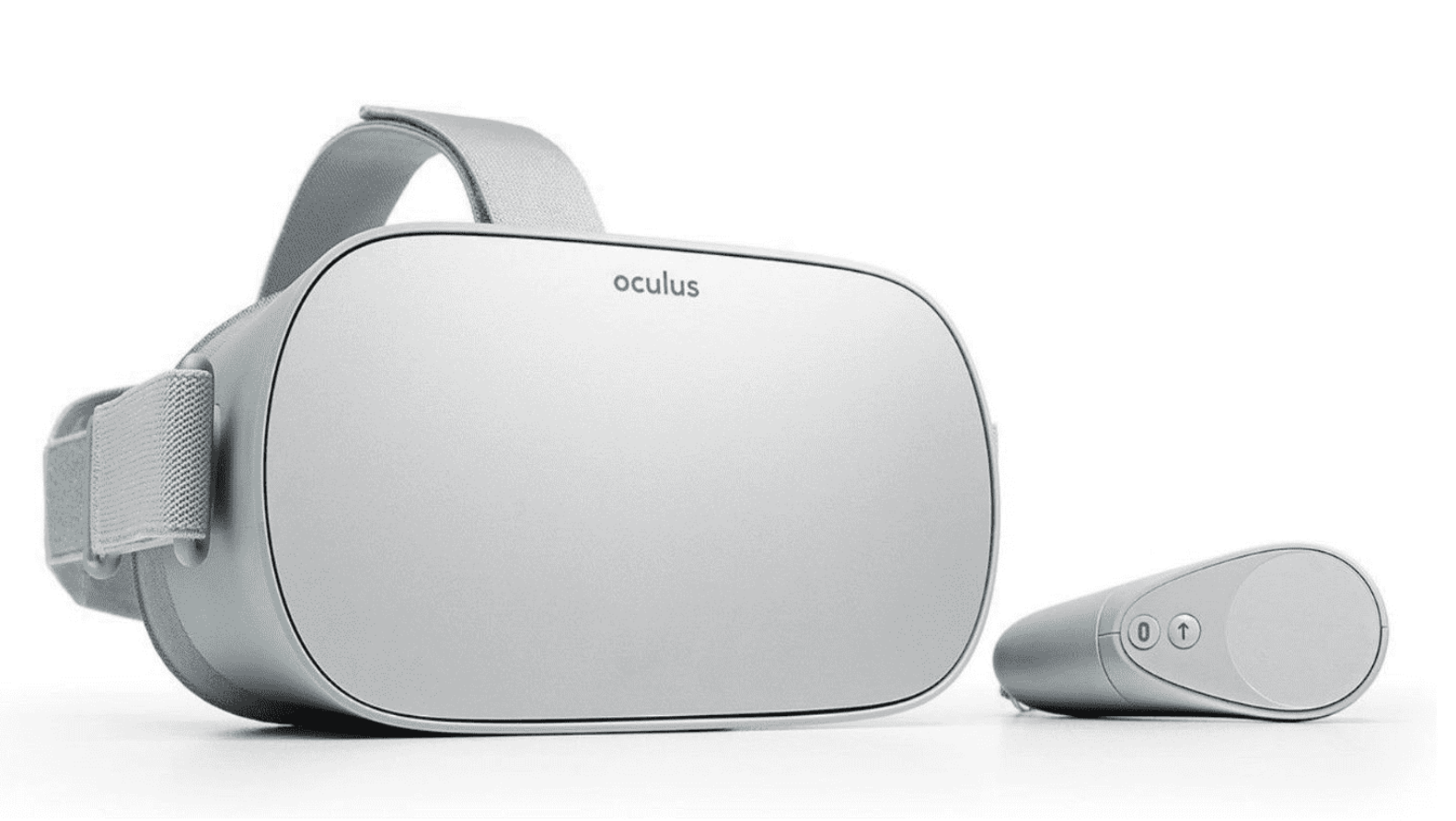
Oculus Go is a stand-alone virtual reality headset, with no phone to drop in or PC to connect. It includes a hand controller. It does not have as much content available as the higher end machines. We have one available in the XR Lab (LSB 403).
Google Cardboard
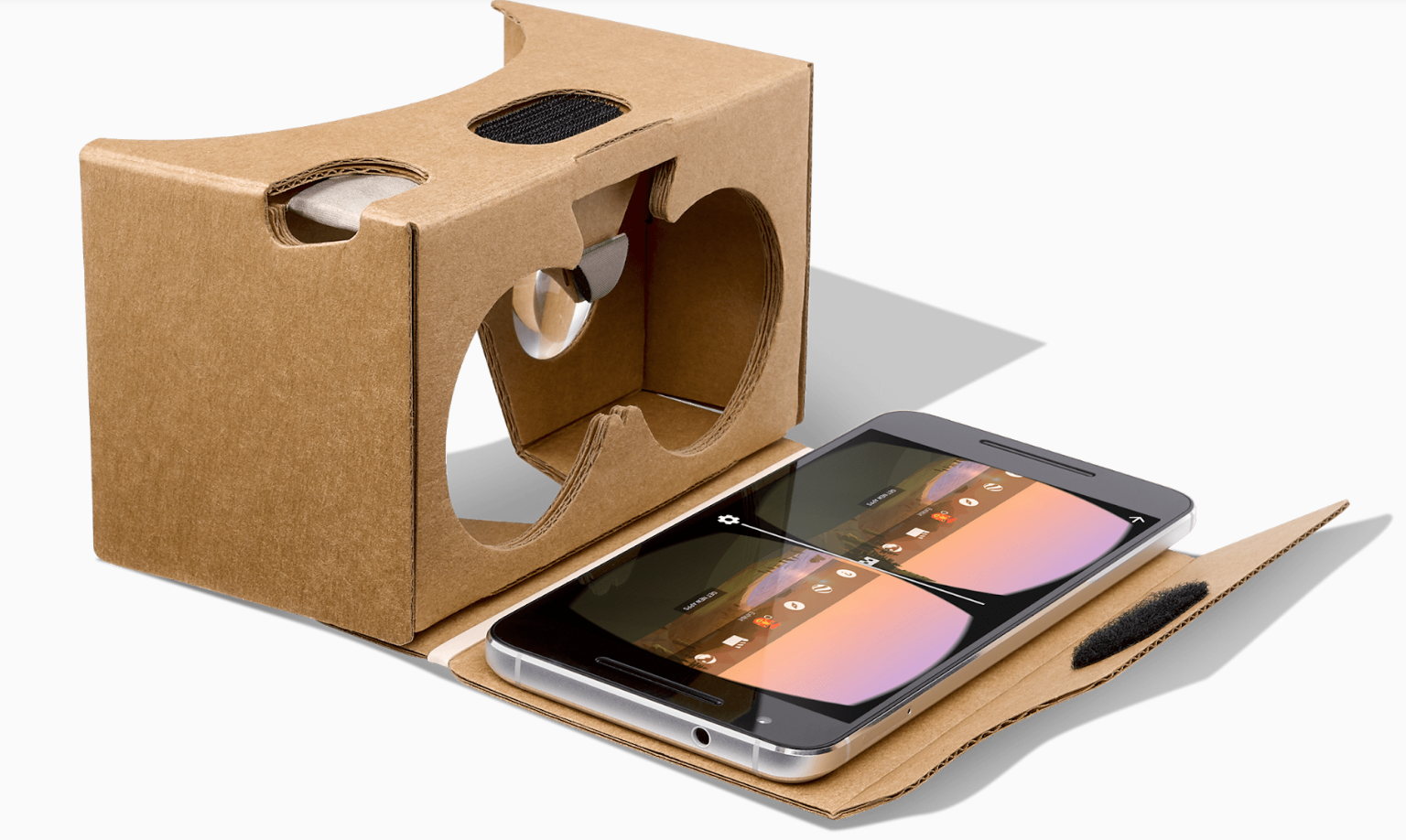
An inexpensive alternative to the Oculus and Vive, these devices work with most smartphones. You can purchase them online or at Best Buy for under $5. We have one from Viewmaster available in the XR Lab (LSB 403).
Insta360 Nano Panoramic Camera
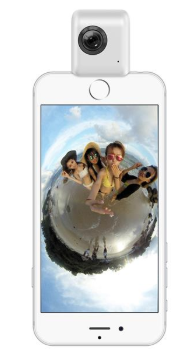
Turns your phone into a 360 VR camera so you can create 360 VR tours. We have one available in Academic Technology.
 EC Academic Technology